
Get Rid of Bunions Naturally With This Simple Powerful Remedy

What are bunions? a painful swelling on the first joint of the big toe. They can start out from foot trauma, heredity, and wearing ill-fitting shoes. Once they start though, they can be aggravated by using the foot/wearing uncomfortable footwear, and can lead to a negative cycle of cause and effect, becoming worse over time.
With bunions, it can be harder to find good footwear. They’re also painful and irritating, and can be considered unattractive. With this being said, who wouldn’t want to get help from specialists such as Dallas Orthopedic Surgeons (if you live close to this area) to get this resolved, especially if you feel discomfort every day?
The recipe for a natural remedy for some bunions goes like this — you can try it out and let us know. I’m a little skeptical, but I’m often enough surprised:
300 ml of water poured over a crushed bay leaf, cooked 5 minutes kept in a liquid thermos for some time. For example, if prepared in the evening, it is left overnight in the thermos. Does anyone know why a bay leaf? What does a bay leaf do?
In the morning, strain the drink and take small sips throughout the day (drink it like this, not all at once).
For the next three days, repeat the process. Make a new drink each evening.
Then, after 7 days, repeat the process.
Frequent urination is a sign that your body’s salt is beginning to dissolve, and this is irritating your bladder. (NOTE: consider the irritation to the bladder. This may be a more important concern for some people, depending on their health status.)
Results should be noticeable within 10 days.
Here is another recipe for bunions. This one is not ingested like the last. This one is applied to the bunions, and is based on findings that regular soap can relieve bunion pain and inflamation.
Recipe:
Take a bar of soap and cut/shred it into small pieces. Take this mash and apply it to the bunion. Gently massage the area with the soap shreds. Then dry the spot and apply iodine.
Applying iodine: the best way is to use a net method: soak a piece of cotton (cotton pads from the bathroom or a piece of cloth). Wet the cotton with povidone-iodine. Draw a “net” over the area (draw vertical and horizontal lines over the area. so that parallel lines in the grid are about 1 cm apart). Let the iodine dry.
(Note: some people use a mix of lemon juice and iodine [50%-50%] rather than just iodine)
If this works for you, let us know please.
For more photos/information, visit This Webpage
How to Grow a Lemon Tree In Your Home

Did you know that lemons and other citrus fruits are healthy foods? Yes, of course: they are full of nutrients and vitamins. They are also an important ingredient in many health dishes. Why not have them growing in your windowsill?
It might be a challenge to grow some citrus plants in your house, but two of them can be done relatively easily. You’ll also learn about freshness and quality.
1. Lemons
You may want to pick up a young (2-3 year-old) tree and grow that. Use a pot with many holes in the bottom, and which is bigger than the root ball of the tree. When the tree is mature, remember, you will need a pot up to 15 inches deep and 20 inches diameter. Put the tree in the pot. Fill the drainage container with stones–for improved air flow–then fill the pot with soil.
NOTE: there are soils that are prepared for citrus plants, which help them specifically to grow.
How much sunlight? 8-10 hours per day. Water? regular (don’t overwater).
How long before it ripens? usually 6-9 months.
Lemons are healthy foods, but only have a couple of our nutritional requirements. Limes, too. They’re also among the most flavorful of our foods — A mouthful of lemon can overcome your other senses to some degree.
The main benefit — nutrition wise — of eating lemons is vitamin C (a quartre of a cup provides a third of our daily vitamin C requirement. They also have a small amount (three percent of our DRI/DV) of folate.
But in addition to the nutritional value of these brightly colored fruit, they also protect against cancer with their antioxidant flavonoid compounds . Although not something given a great amount of thought in the First World, lime juice also can cut down on cholera cases.
One more thing: lemons and limes can alter cell cycles. In a good way, researchers think. They improve cell immunity.
Or you can grow one from seed. For more photos/information, visit This Webpage
Women more prone to sleep apnea: Many cases go undiagnosed!

In America, over 42 million people suffer from sleep apnea–the interruption of sleep due to breathing difficulties. It is commonly believed that men suffer more from this than women, but apparently this is not so. According to research, women are just less often diagnosed with the condition because they have more subtle symptoms such as headache. If you’ve done some research and you suffer from a lot of symptoms associated with sleep apnea, it may be in your best interest to speak to dentists like the ones you can find at the Oak Street Dental clinic. They’ll be able to help you understand what the best treatment might be for you when it comes to managing sleep apnea.
If you believe to have the symptoms of sleep apnea and you have spoken to your doctor about it all, you may want to look into the idea of sonotherapy (or sonoterapia as they’d say in Italy), in the hopes of finding a way of dealing with your sleep apnea. There are many different ways to treat sleep apnea once diagnosed. They can range from resolving the issue that is causing your sleep apnea, whether it is obesity or smoking, to using CPAP Machines to improve the flow of oxygen as you sleep.
Apparently, up to 15 percent of women have sleep apnea that has not been diagnosed! Perhaps more women who suspect that they have some of the related symptoms should head down to the Low T Center clinic to get themselves checked out. Vanderbilt University Medical Center’s Dr. Kelly Brown said of the finding that women often complain that they can’t sleep through the night, and that they frequently wake up, but they don’t understand why this is happening.
The recent piece of research enrolled women in a sleep study to find out what was really happening.
A typical woman in the study found that she was having around 124 occurrences per hour. That is way over the requirement of 20-30 which constitutes sleep apnea.
It is not just rest that women are losing out on when they go undiagnosed.
Sleep apnea can lead to stroke, diabetes, heart attack and high blood pressure. It can also leave the body more prone to cancers like breast cancer. Which is why it’s so important to find recommended Dental Sleep Apnea Treatment Devices to help stop these problems developing.
Around half of those with atrial fibrillation actually are those with untreated sleep apnea, the researchers commented. Over 50 percent–up to 70 percent–of those with stoke have the condition.
The researchers offered a method of therapy called C-PAP for the sufferers, which caused some to feel more refreshed and benefit with increased focus at work.
From ABC7 news published in January 2015. ABC7
DIY cell phone video projector: build it for $1!

Projectors cost hundreds of dollars and you can’t just take them anywhere. A cell phone projector costs $1 and you can take it anywhere, and if you drop it along the way, its not a big deal.
NEED: Shoebox, Paperclip, Smartphone, Magnifying glass ($1 at Dollar Store), or a large aperture lens (from an old camera or other), Exacto knife or other sharp knife for cutting paper, Electrical or black duct tape
Trace the outer edge of your lens or magnifying glass onto one of the short sides of the shoebox. Cut out the hole with an exacto knife. Cut a hole at the back for your cord. Tape around the hole to keep light in. Make a stand for your phone inside the box with a paper clip. Turn off “Rotate” on your cell phone, so your screen can be placed in upside-down and turn the screen brightness up. Place your shoebox where you want it, and place your cell phone inside at the right distance (so that the focus is clear). Do fine focus by moving the box.
Projection seems to be a big interest direction for technology right now, but it doesn’t seem like they’ve figured out how they will really use it except in theater applications (home theater included).
Ashton Kutcher recently tried his hand at adding a projector to a laptop computer. We’ve seen the futuristic cell phone projectors that can already be made. I even heard that some of the newer invisibility suits use projection of some sort. This is a great way to get creative at home for a low cost. However, for those moments when you have people over you’re most likely not going to use this projector that you have made. Therefore, looking into the various high definition or 4k projectors out there on the market maybe a better option when wanting to watch a film in high quality. Or better yet, why not go a little bit crazy and treat yourself to a fully inclusive audio-visual home cinema set-up. Sure, it might seem like an investment, but it’s likely one you won’t regret. You might want to click here to find out more about the staggering amount of options available today.
One of the more interesting applications I’ve recently seen was a 3D projection application: 3D models (of a city or something) were created above a screen.
3D models seems to be an area where projection would really be handy. 3D is nice, you can throw a movie up real big on your wall. But you can’t just go out and buy a 3D model anywhere, and its not as good to view a 3D model on a 3D screen (like auto-CAD or city planner). Can’t wait to try something like that out — sculpting in 3D projection.
How to Control Uric Acid Levels in 10 Ways

Hyperuricemia–high levels of uric acid–results from increased uric acid production or decreased uric acid excretion (via the kidneys).
Here are 10 ways to control your body’s levels of uric acid:
1. Apple cider vinegar: 1 tsp raw apple cider in a glass of water, 2-3 times per day.
Considerations: don’t do this in excess–vinegar can lower the body’s potassium levels, and it may interfere with diuretic drugs.
2. Lemon juice: one lemon squeezed into a glass of water (optional: with vitamin C as well), taken on an empty stomach in the morning for 2 or so weeks.
Considerations: consult a doctor for proper dosage.
3. (Dark) Berries and cherries: 1/2 cup per day for 2 or so weeks. Juice will also work (1-2 cups per day). You can also add other berries and vegetables such as bell peppers and tomatoes to the mix (ones that are high in vitamin C and antioxidants).
4. Baking Soda: 1/2 teaspoon with a glass of water, 1-4 times per day (every 2-4 hours) for 2 weeks.
Considerations: don’t do this if you suffer from hypertension. Also, do not take this on a regular basis. Also, no more than 3 glasses per day if you are over age 60.
5. Olive oil: used rather than vegetable oil or butter in your cooking. The fats in olive oil remain stable when cooked and olive oil is high in antioxidants and vitamin E.
6. Water: The body needs an estimated at least 8 glasses of water per day (more if you are pregnant or nursing). You can also use more fluids, fruits, vegetables, and other high-water foods in your diet. Higher consumption of water has been found to greatly reduce the risk of gout attacks.
7. A Low-Purine Diet: Cut out some of your diet’s animal proteins (meats, fish, poultry, beans, asparagus, mushrooms, legumes, yeast, beer). They increase uric acid in your body.
8. Starchy carbs/high-fibers: fruits like apples, oranges, strawberries, pears, whole grains, rice, tapioca, potato, oats, bananas, whole grain pasta, green papaya tea lower uric acid levels.
9. Dairy: use low-fat/skim milk (drink 1-5 cups of skim per day). Also, eat low-fat yogurt and other dairy. This lowers urate concentrations/gout risks.
10. Wheatgrass juice: drink 2 tablespoons of this (mixed with lemonjuice) per day. It will lower your uric acid levels.
For more photos/information, visit This Website
Learn how to remove bloated belly in 60 seconds with Sassy Water recipe

There’s an easy way to reduce that big belly size of yours, this is the Sassy Water.
The ingredients are healthy for you, and they actually help your belly de-bloat. And it contains no calories.
The drink is named after Cynthia Sass (of Flat Belly Diet), the inventor of the mix, and it transforms water–something you need to drink anyway–into something that can do even more for your health.
According to many recommendations, a body needs 8 glasses per day to hydrate properly. However, there are a few things to be concerned about: fluid (electrolyte) balance and water retention.
The ingredients of Sassy Water:
2 liters water (8 1/2 c)
1 tsp freshly grated ginger
1 med cucumber, peeled and thinly sliced
12 sm spearmint leaves
What is belly bloating?
Also known as “abdominal bloating,” its where you feel tightness and fullness because your belly is swollen. It’s quite common. Ten to thirty percent of adults experience belly bloating, according to some stats.
It can affect your life, though, because it can keep you from doing activities you would otherwise be doing.
In general, people who experience bloating report more visits to the doctor, take meds more frequently, and take more sick days from work.
What causes it? It’s a very varied complaint. It can result from a great number of causes. Among those are eating quickly, intolerance for certain foods (like dairy), constipation, too much bacteria in your small bowel, internal parasites, digestive tract abnormalities, and certain foods (sugar substitutes are noted). it can also be related to heartburn, irritable bowel syndrome, menstruation, and certain medications a person may be taking.
So if you want to get rid of your bloating, you may want to experiment with things that will alter these things one at a time, and see if you can find something that improves things.
However, bloating can also be caused by more serious medical conditions, like celiac disease, pancreatic insufficiency (not producing enough digestive enzymes), ovarian cancer, and fluid in the abdominal cavity (which can itself be caused by cancer, kidney failure, congestive heart failure, liver disease, and other conditions). If any of these might be the cause, see your doctor.
For more photos/information, visit This Webpage
How to Grow a Lemon Tree from Seed Easily in Your Own Home

What will you need to grow one from seed?
An organic lemon for starters.
Non-organic ones can often bear non-germinating seeds.
A pot 6 inches wide and deep, at least.
A seedling pot, 24 inches wide and 12 deep.
Soil: fertile planting soil. Peat is good. So is perlite, vermiculite, and natural fertilizers, according to recommendations.
A sunny spot, possibly near a lamp.
How to do it:
Moisten the soil, get it damp (not wet wet). It should be damp throughout. Use this soil to fill the smaller pot. Cut your lemon open and take out a seed — remove the pulp from off the seed. You can suck the pulp off. Plant in the moist soil, about an inch deep. Spray the soil that lies above the seed with water from a spray bottle — gently.
Now cover the pot with saran or plastic wrap and seal the ends around the pot with a rubber band. Poke some small holes in the plastic cover. Place in the sun.
Don’t let it dry out, and don’t wet it so much it forms puddles. Keep it moist.
Take the cover off when the sprouts start in around two weeks. It needs 8 hours of light every day. Keep you plant safe from diseases and bugs. Younger plants need more water, but not too much — don’t drown it.
Replant or plant outdoors in a larger pot when you need to.
Or you can grow one from seed. For more photos/information, visit This Webpage
Largest Risk for Diabetes With Statins Yet Seen, in New Study
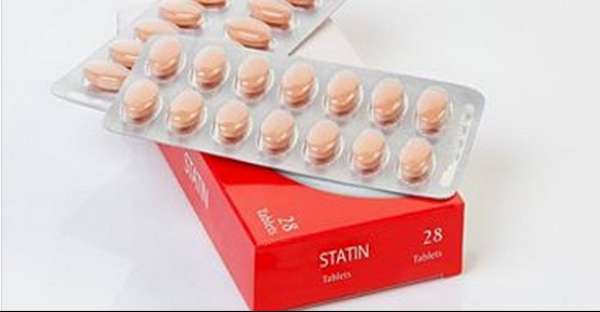
“Statin therapy appears to increase the risk for type 2 diabetes by 46%, even after adjustment for confounding factors, a large new population-based study concludes.”
That’s according to Medscape, who reported on the Finnish study.
That means that there is a higher risk for diabetes with statins than was thought before, the researchers suggest.
The diabetes risk associated with statins was correlated with the amount of the dose taken (most of the study participants were taking simvastatin or atorvastatin).
“Therefore I wouldn’t make a conclusion from my study that people should stop statin treatment, especially those patients who have a history of myocardial infarction or so on.
“But what I would say is that people who are at the higher risk, if they are obese, if they have diabetes in the family, etc, should try to lower their statin dose, if possible, because high-dose statin treatment increases the risk vs lower-dose statin treatment,” said researcher Alvin C Powers, MD.
The study used nondiabetic men age 45 to 73 with a six year follow up.