Why It’s Hard To Create A Football League

Throughout history professional football leagues have come and gone, with the main exception of the National Football League standing tall. There have been attempts made to establish other professional football leagues, but because of a few costly mistakes that were made, these other leagues ultimately folded. In the case of the original United States Football League (USFL), which started operations in 1982 and folded in 1987, had developed a series of issues with mismanagement, such as expanding their league too fast, playing regular season games in the spring season, and most importantly, winning their antitrust lawsuit against the NFL which gave them $5.5 Million in attorney fees and $62,000 in court costs. Eventually accumulating $160 Million in debt, the USFL in 1990 would receive a single check for $3.76, a symbol of their “Pyrrhic Victory”.
Going back a decade to 1973, the World Football League was created, but soon folded in 1974. One of the main problems that plagued the WFL was the fact that team owners had disagreed on which playoff format to use. Numerous playoff ideas were tossed around and the owners struggled to settle on one idea. Another main problem was that the WFL constantly lost money, especially in the case of their franchise based in the state of Hawaii, The Hawaiians, which lost $3.2 Million in the 1974 season. The WFL also had difficulties holding a draft for college players wanting to join the league. They didn’t have enough money to seek out top college prospects, so they instead gave their teams rights to draft players out of existing teams in the NFL and the Canadian Football League. The WFL closed its doors before Week 13 could be played in the 1975 regular season.
The XFL is probably the most infamous example of a failure in creating a professional football league. Founded in 1999, the Xtreme Football League folded in 2001 after just 1 season. Criticized for having too many gimmicky rules, having ties to Vince McMahon and World Wrestling Entertainment, and mainly for the underwhelming level of professional talent that took the field. A few examples of the gimmicky rules include the Opening Scramble where one player from each team would race side-by-side from the 30-yard line to be the first to pick up the football at the 50-yard line to gain possession of the ball. There were also no PATs (point after touchdown) kicks, but instead teams had to run a play on offense to score a 1-point conversion. As opposed to the NFL’s 40-second play clock, the XFL had a 35-second play clock in an attempt to speed up the game. The XFL was also known for allowing players to use their nicknames on the back of their jerseys.
From one extreme to another, the United Football League was founded in 2007, began operations in 2009 and folded in 2012 after 4 seasons. However, unlike other football leagues, the UFL was utilized as more of a minor league development league that would cater to the NFL, implementing rules such as “illegal defense” where only 4 to 6 defensive players were allowed to blitz the quarterback. This rule was in place to both protect the quarterback and put more emphasis on scoring points. The quarterback was also allowed to intentionally ground the ball in order to avoid a sack in the UFL, as long as he threw the ball back to the line of scrimmage. The problem with the UFL, however, was that many football fans saw the UFL as too plain, ordinary and vanilla.
So from the examples noted above, what exactly will it take to create a professional football league that will stick around for longer than a cup of coffee? In my opinion, I wouldn’t know where to begin, but there are a few things that I believe anyone would need to consider before taking on this task.
- Don’t directly compete with the NFL… – As history has taught us, directly competing with the colossal giant that is the NFL can only end up in disaster. For one thing, it wouldn’t be wise to schedule your league’s games on the same days as the NFL schedules their games. Secondly, if you are looking for markets to place your teams in, you have to try as hard as you can not to put teams in markets where the NFL is already present. Not an easy task, of course, since the NFL already has 32 teams.
- …but don’t cater to the NFL as a minor league, neither – The UFL has taught us that it just isn’t practical, nor meaningful, to have a football league that is a direct minor league pipeline to the NFL. Football is a different sport compared to baseball, where baseball can have multiple minor league systems because of the nature of its game. Football is a hard-hitting and violent sport, however, and players won’t be looking to stick around in a minor league system for a long time knowing that injuries are much more common in football.
- Money talks because you’ll need it – The only appropriate attempt that you can provide with a newly created football league would be if you have business people and entrepreneurs with deep pockets that have a genuine interest in football. Look at the economic values of NFL franchises and look at how much they go for. Let’s just say that you will need to convince business savvy people like Mark Cuban and Elon Musk to jump on board with a business plan that will make sense to them. Plus, it always goes without saying, don’t mismanage your money and don’t just freely lose money like the USFL or WFL.
- Experimenting with some gimmicks is okay, but don’t go overboard – Have the willingness to deviate from the traditional rules of NFL games and experiment with specific rule changes that you feel need to be implemented in your league’s games. Experiment within reason. Don’t go overboard with these experiments like the XFL. Your new football league has to stand out and not completely copy the NFL style of play, but it can’t come across as an outrageously foreign variant of football that consumers won’t be able to understand. When met with the question of whether to use the XFL’s Opening Scramble idea to determine which team gets the first possession of the game, just take the safe route and use the coin toss instead.
An American Legend Mack Truck Is Back

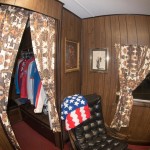
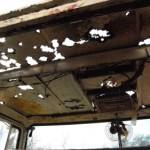
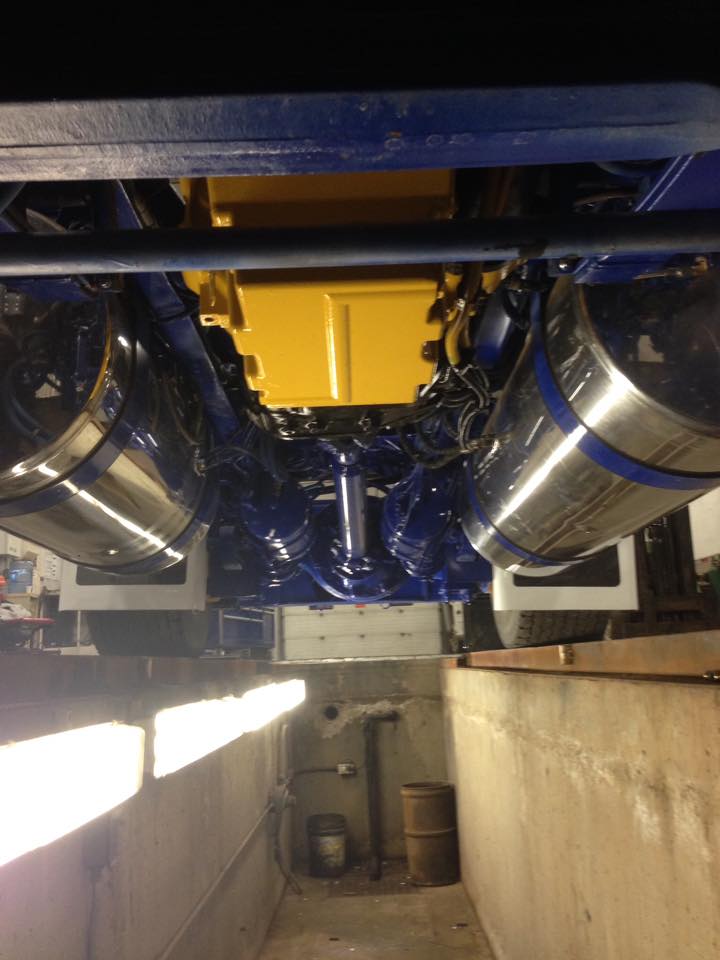
There’s a photo at the bottom of how this truck looked before the restoration in 2012. This is Evel Knievel and crew’s “Big Red” cabover and trailer. It’s just been restored over the past couple of years.
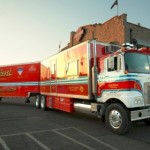
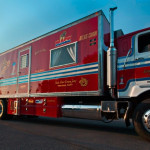
It’s a 1974 Mack cabover haul rig and trailer (some of you might remember he also had a Kenworth before this Mack. The Mack was build custom for Kneivel’s office/dressing room with a matching trailer). The restoration is now complete (by Robb Mariani’s TV show American Trucker), and this month it got some final paint.
The owner is Lathan McKay. McKay owns a lot of Knievel memorabilia, including some Harleys.
This custom sleeper and trailer had a lot of work since it was the rusted out (the ceiling actually had cloud like spaces rusted through it), full of dirt, falling apart vehicle it got to.
It has an auto transmission, but that did not work in 2012. The cab is was a Western series F model FS700. The old cab was “toast” — so rusty it was beyond repair.
They got a new F model (now it’s a 295-inch FS786LST.) and took as many components as possible from the old cab.
They kept it “as original as they could,” according to rebuilder Brad Wike of BPW Transport / Brad’s Classic Trucks.
He said the trailer was probably a 1966 model. They had to replace the doors but they planned for the old doors to go to a museum. They took out all the old rotted flooring, sandblasted underneith, rubber coated it, fixed some cross-members.


Trip-Dub Cabover and Trailer
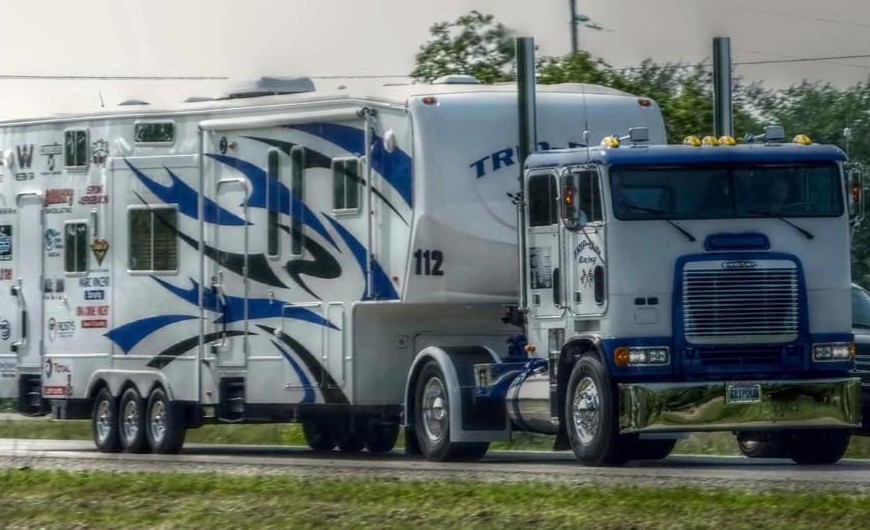
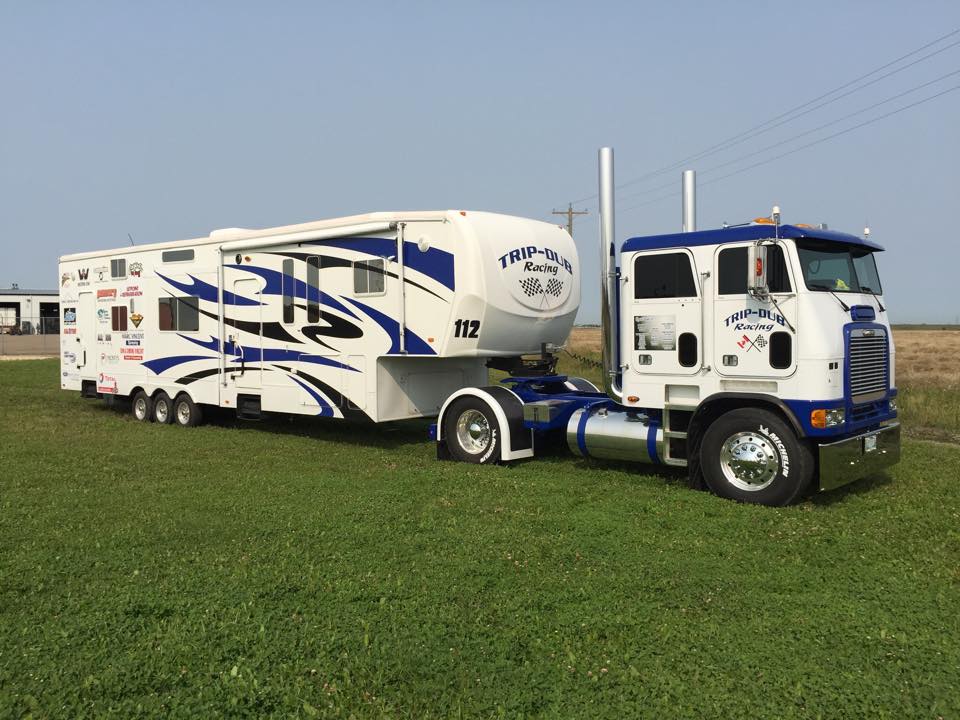
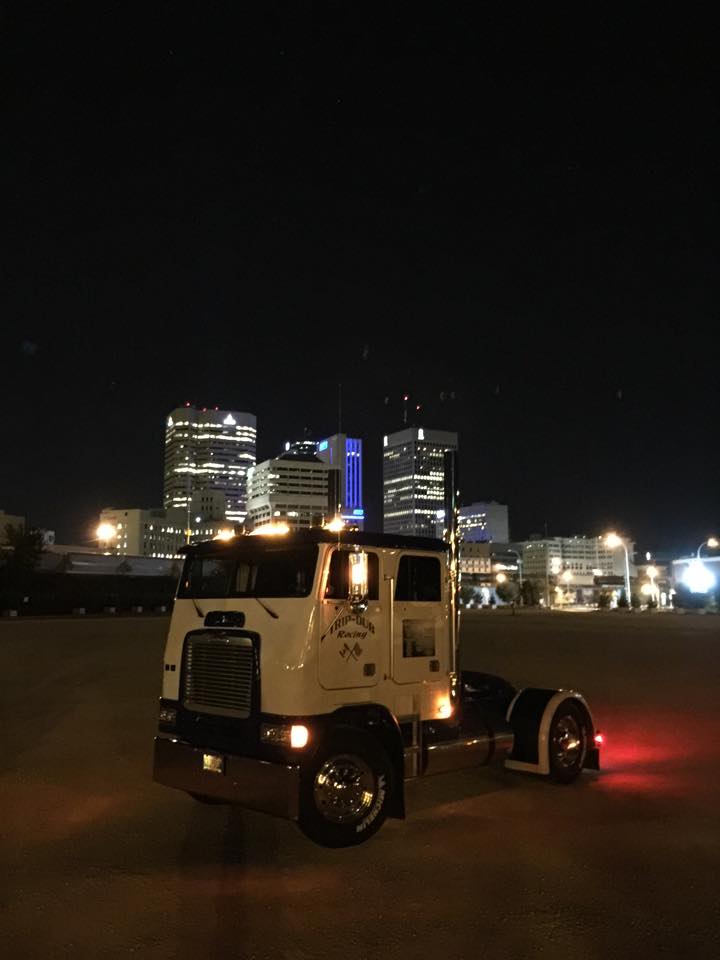
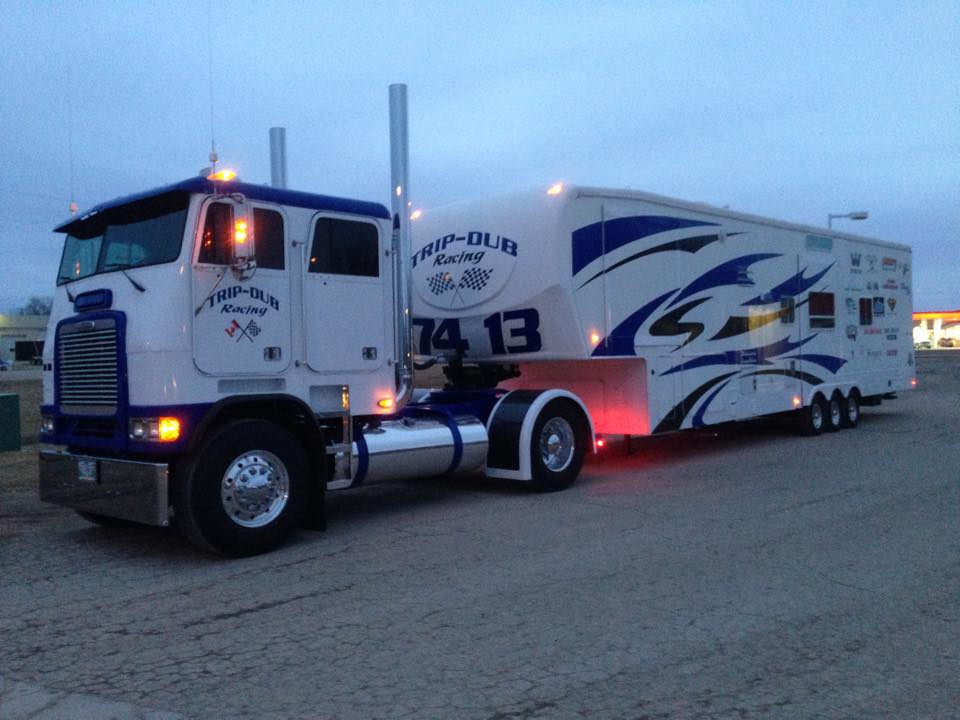
This custom cabover and trailer comes to us (and to you) from Kevin James Birkett and the Trip-Dub racing team in Brainerd, Minnesota. Kevin is on the Planes, Trains page and he sent us some photos and details about his truck. Thanks, Kevin!
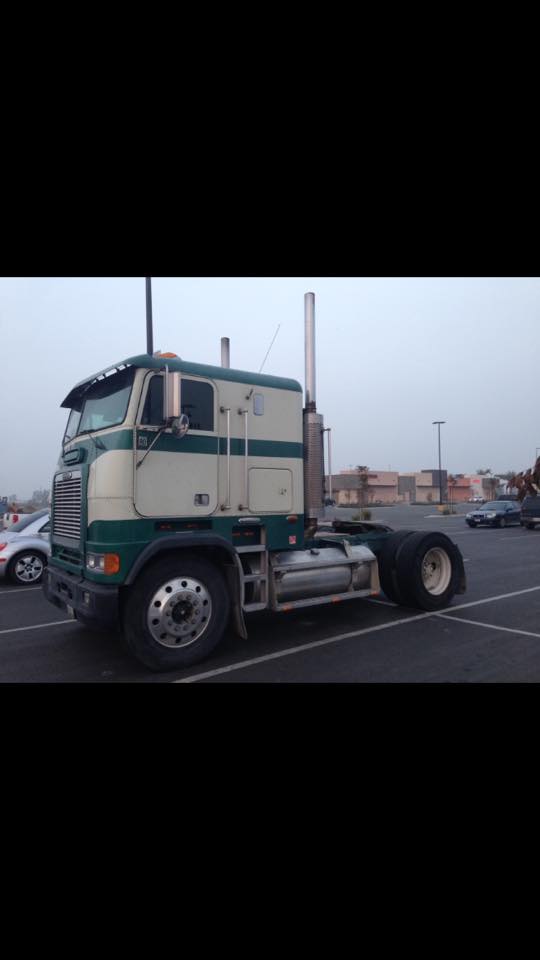
It’s a 1998 Freightliner cab over c12 cat.
As I mentioned, Trip-Dub racing is the name their race team and they have a page on Facebook (link to it at the bottom).
The truck:
– 1998 Freightliner cab over
– C 12 cat 430hp 1450 torque
– super 10 trans with 3.08 gear ratio in diff
– custom four door
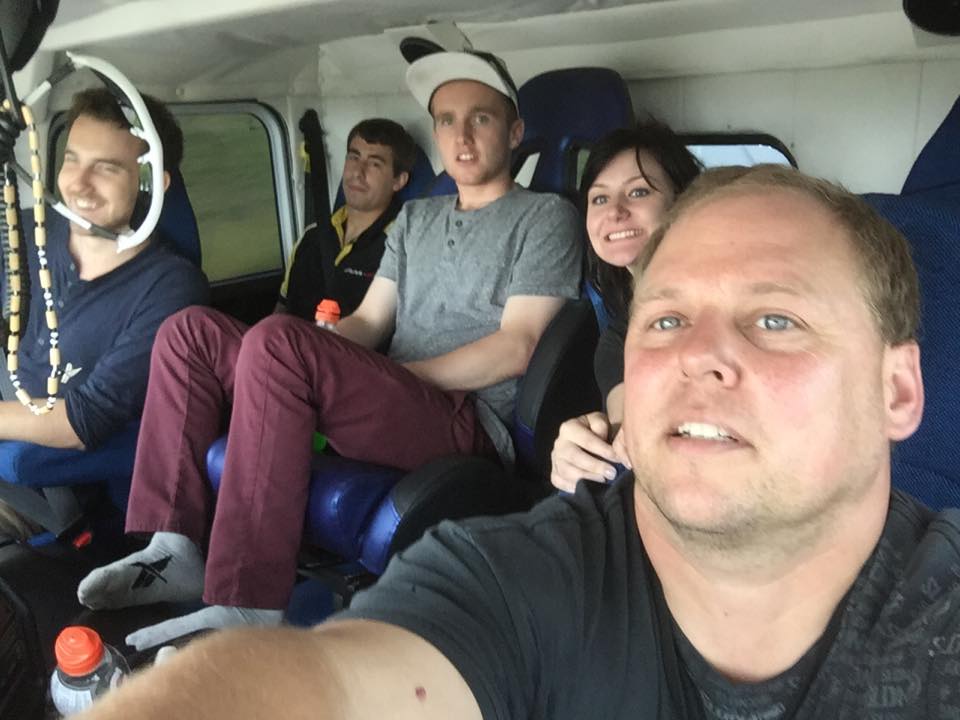
– 5 seater, 4 seats are air ride
– one racing seat with 4 point harness on the dog house
– it has a hidden receiver hitch behind the rear licence plate
– super singles on the rear axle
– full stereo system including 2 10″ subs
Kevin wrote a bit about the racing team’s truck project — how it all got started and how it became what you see in the photo.
“We started this project because we have a race team that was growing and we needed more seating.
“We race sport bikes (road course track) in Brainerd, Minnesota at BIR International Raceway.
“Our race trailer weighs 23000lbs and pulls heavy with a pick up. I have always been around trucks and my dad had cab overs growing up, so the idea of pulling the race trailer with a cab over was born!
“I am part owner of Birkett Freight Solutions Inc. with my family, out of Winnipeg Mb. Canada.
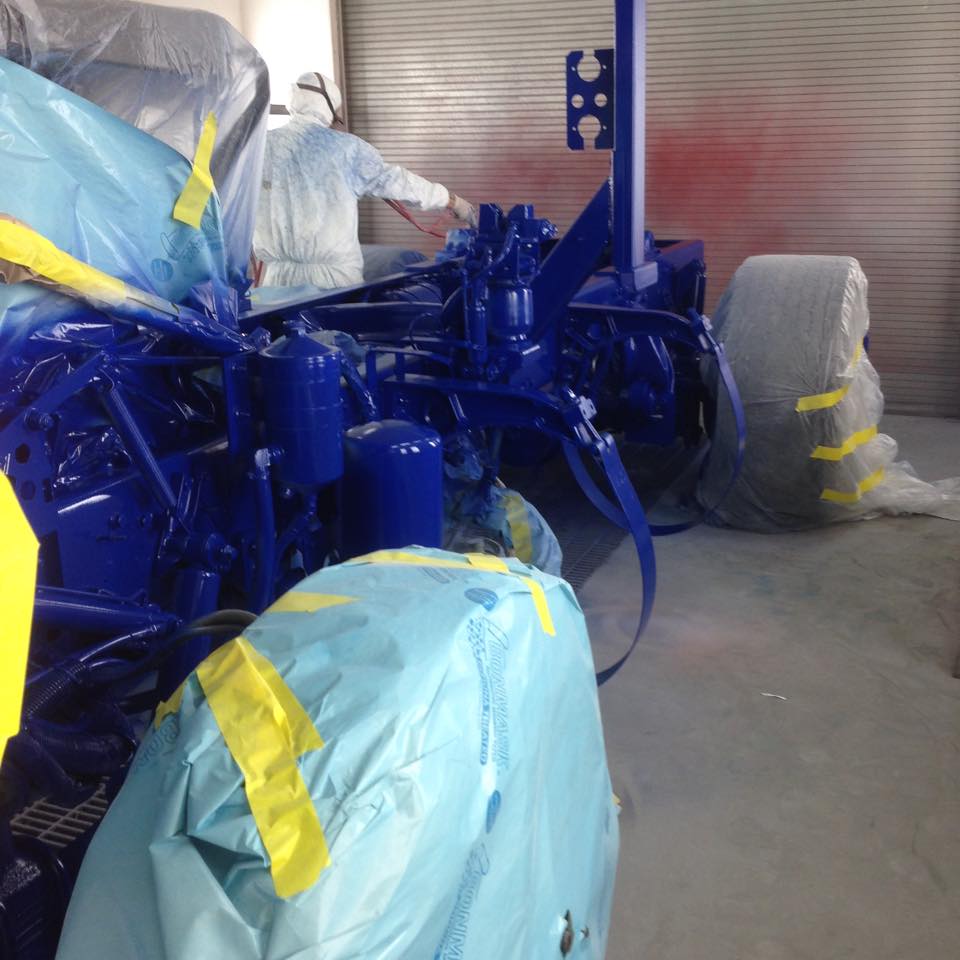
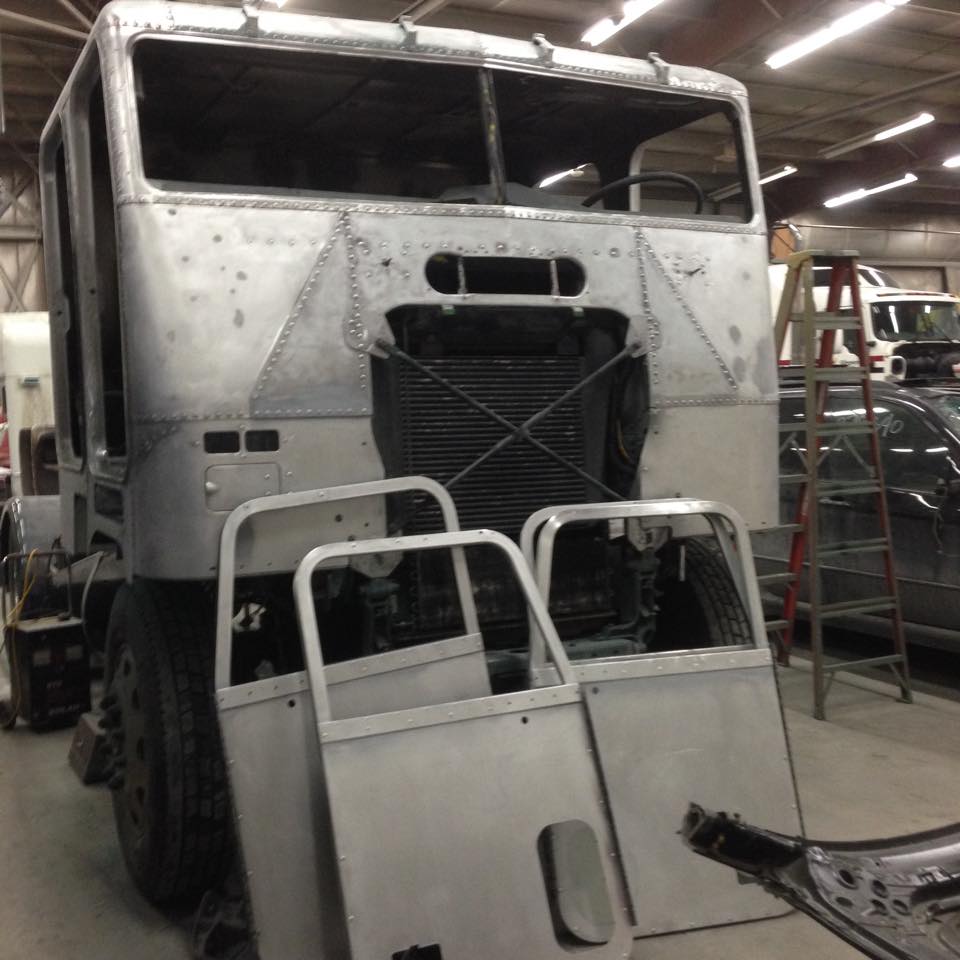
“I seen this truck in a sales magazine in Fresno, California last January (2015) and flew out there to get it and drove it home. Lots of work went into this unit by friends and family. In just 3 and half months we did a ground up on this truck, never expecting what the outcome would be so crazy and get so much attention. We were just looking for a simple truck to pull the race trailer and able to bring the race team in a safe manner to and from the track.
“Many people to thank and we are all so very proud of the hard work and how the truck turned out:) Many thanks to everyone involved.”
Congrats, fellas. Can’t wait to see what people write about your truck.
Visit Trip-Dub Racing. Visit elite freight company Birkett Freight Solutions out of Winnepeg.

Gypsy Truck
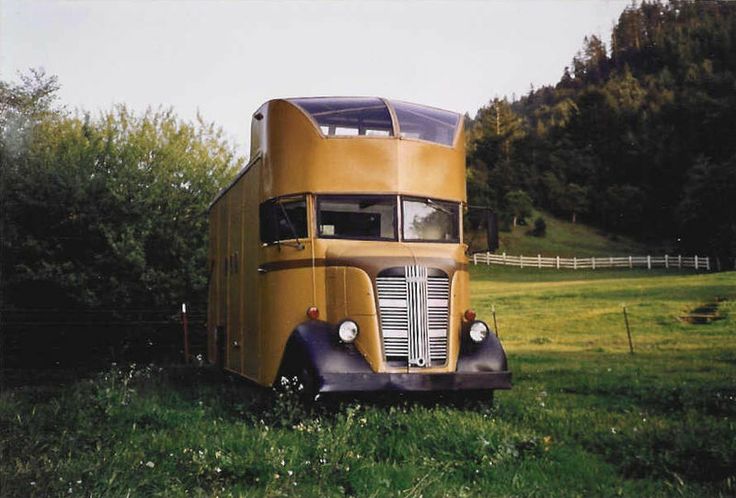
Hippie vehicles were usually hand crafted and furnished (and decorated) (and everything else) mobile houses built on a truck or bus chassis. Why did the typical hippie vehicle become a big vehicle like that? Because hippies did it together.
Whether what they were doing was some happening scene in downtown San Francisco or a demonstration against a controversial war or going to a love in or other get together on Mount Tamalpais or driving across the country — see “Further” the bus driven by those people who came before the hippies and who, when the hippies came, they all knew: the Merry Pranksters, some of whom had come from the even-previouser literature and lifestyle scene, the Beats.
Hippy houses would welcome in a stranger for the night, and hippy vehicles would pick them up and take them along. It was a reciprocal nature of lifestyle. And people were mobile. They packed light and travelled somewhat freely.
This vehicle here. It was built in 1968, the year when the hair started to get long and the clothes started to get loose, and it was active through 1969 when the fantastic outfits outdid each other and then onwards till 1971, the year Charles Manson’s conviction was delivered, adding quite a harsh downer to the hippie idea, and another trial, the “Yippie” trial, took place with John and Yoko joined.
I keep digressing. This vehicle. It’s a 1937 GMC chassis. Those trucks look quite different from this vehicle. They look like most cabover trucks of the 30’s era. It was named “Leviathan” by its builders. A group who used this RV was the Floating Lotus Magic Opera Company, who lived and travelled communally. They rehearsed in the forests of San Francisco. The gypsy truck also made a lot of in-town appearances at happenings, fairs, and toured around between California and Washington.
To do what they did to this hippie mobile, they:
added an oak framework
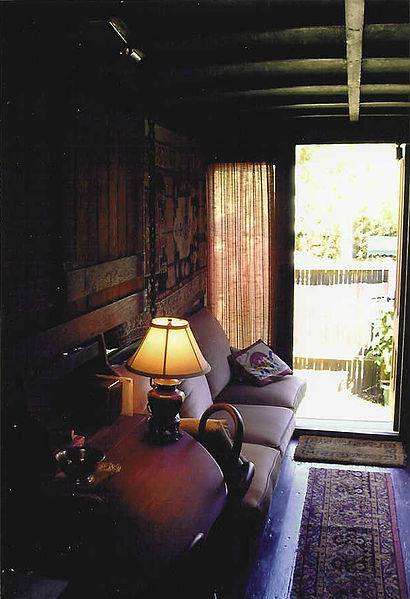
handcrafted an interior with fine woods
used leather from antique furniture
added a double bed in a loft (under that windowed dome you can see in the picture above)
This hippie RV also has:
full-sized stove
sink
hot and cold running water
living/dining area,
coal burning stove
back porch (pictured below)
shower
The truck is currently a guest house, I’ve read. There’s only two photos unless someone has some to give us.
Pink and Black Custom Semi Rig

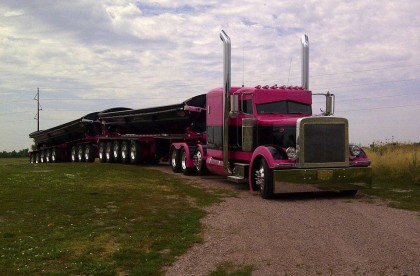
This Peterbilt custom rig has finally been identified. It is a 2005 379 owned by one Mike O’Conner. O’Conner is from Mitchell, South Dakota, but not sure if the truck is still there. The lone piece of information that finally came up on this truck is from 2013.
Some of the custom work to this semi are 8-inch curve-tip straight pipes, curb-length fenders by Jones Performance, and, on the sides of the sleeper and cab, light panels.
Pushing this custom semi is a 550 horsepower Cat, and it has an 18-speed transmission.
Now, if anyone has any more data on this truck, please let us know so we can elaborate this particular post a bit, as we have done with write ups in the past when people have added what they know about the trucks and rigs.
The information comes from Overdrive Online. Visit them. The Pink image below which appears to be another phase of this truck’s custom life comes from DB Squared Business Finance (click here).

Luxury 5th Wheel
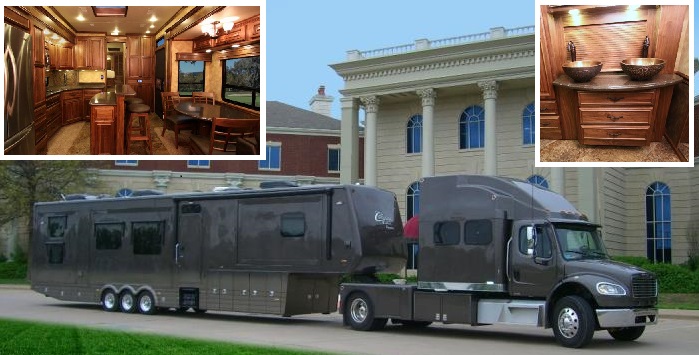
These luxury 5th wheelers are big. This one has 6 slides. It’s just 45 feet. Add those 6 slides (which roughly double the side of the interior space where they are located) and I guess they have the room to put in 2 bedrooms into a 5th wheel.
This one is a natural walnut hardwood interior, luxury composite tile floored, solid surface countertop model with anything you ask for within reason as furniture.
The one bedroom has a bunk bed, and each of the bunks has a window out. The room looks a bit like a cupboard to me because it’s all wood trim, panels, drawers, ladder, and just the remaining walls are finished without wood.
They don’t show the bathroom on this unit but I’ve seen some of their other ones, and they have large (for an RV) showers with seats inside) and the toilets have special sanitation technology.
The company that makes this unit, called Continental Coach, makes their own chassis and body, and they also hand craft pretty much everything that goes into it. You pick the tractor.
Some other luxury 5th wheel features:
Slideout systems in floor (no structural compromise to frame)
Standard Mor-Ryde IS Suspension
Standard Electric / Hydraulic disc brakes
Standard Hydraulic Auto-Level System
Strong aluminum cage structure to trailer
Full length steel in upper deck floor
Bridged chassis design
Aluminum roof rafters
Seamless fiberglass roof material
Flush fit slide out
Custom RV interior photos look best on a large screen:


Heaviest Tractor Trailer Limousine

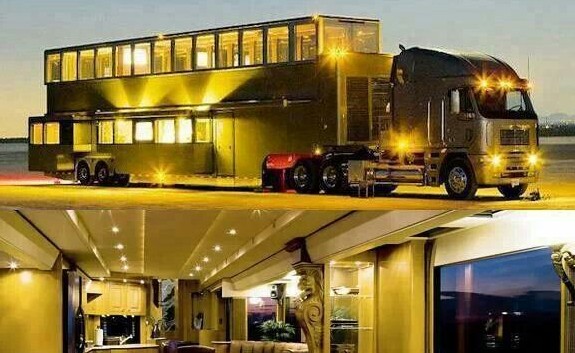
This truck and trailer are in the Guinness Book of World Records. As the heaviest limousine. Is it really a limousine though? There are plenty of limos in laguna niguel that are professionally hired out, maybe they should be compared to them and should it take away the title from those cars that want to compete? Not sure. This truly is one of the fanciest limousines around, but if you are after a slightly cheaper boston coach limo, check out metlimoofboston.com to view their prices and services
The weight of the custom truck and luxury trailer unit is over 50,000 pounds (25 tons). 50,560 pounds is the number on the books (22,933 kilograms). The weight comes from, besides the fact that it’s a Peterbilt 379 tractor and a trailer, is that it’s outfitted to be comfortable for 40 people. There are 40 seats spread over the unit. Can you imagine driving through the mountains, the desert, or along the coast with 40 family and friends in a giant limo?
It’s called the “Midnight Rider” and it’s painted along those lines (as you can see in the photo above). Some interesting things about it: Over 90 percent of the custom big rig’s 4,200 parts are fabricated in-house.
Luxury motorhome specifications:
Total length: 70 feet
Width: 8 1/2 feet
Height: 14 feet
Total weight: 25 tons
25 tons is the same as (in limo measurements): 10-12 limos
Luxury trailer: H-frame stainless steel with 1,400 aircraft quality welds, also has an aluminum belt 16X the thickness of those on conventional big rigs.
Wheels: 22
Motorhome Interior space: 416 square feet
Motorhome motor: 435 horsepower
Cost $1,000 per hour (includes 2 drivers, 1 hostess, 1 operations specialist, and 1 bartender)
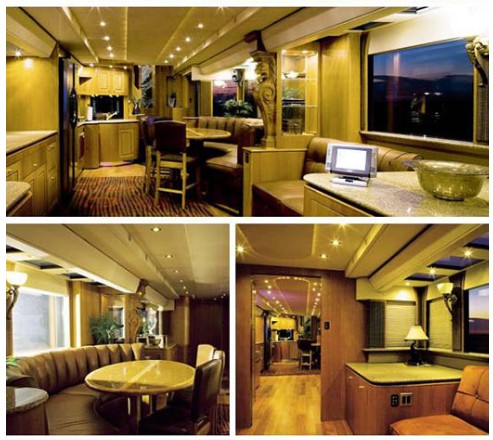
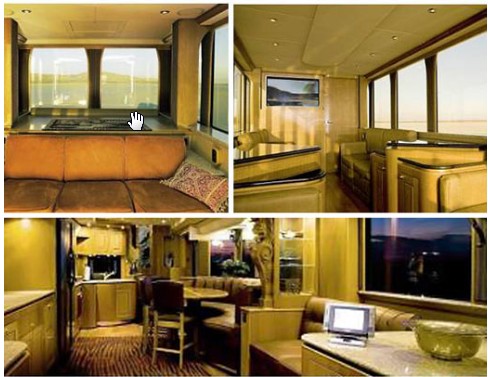
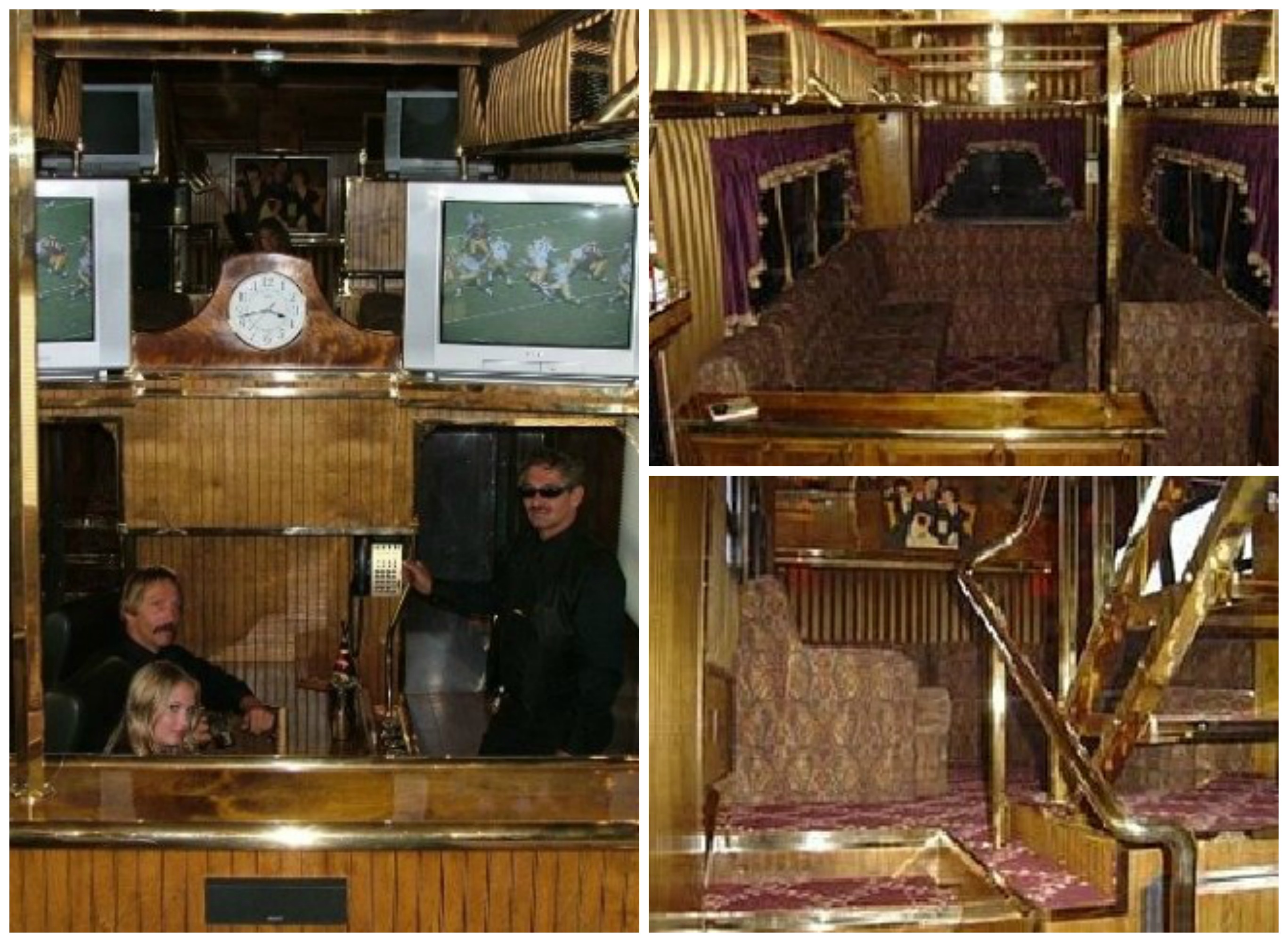
Some photos of the interior of this custom motor home (collage of 3, best viewed on a large screen):
The Luxury Mobile Trailers Used By Movie Stars… And An Ex-President
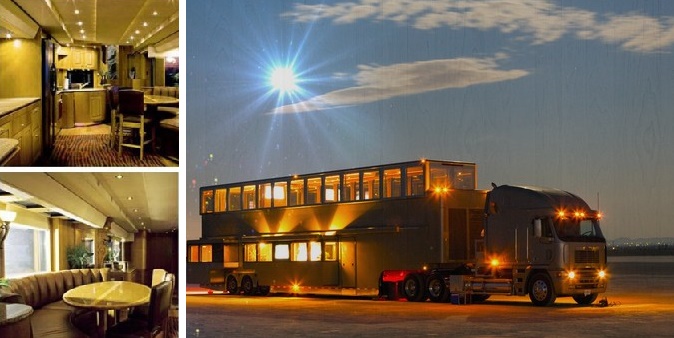
There are a lot of motorhomes, motorcoaches, toterhomes, luxury trailers, horse trailers, giant sleeper converstions, and other inventions to make comfort mobile. This vehicle is one of the ones made by the company that generally makes “luxury mobile trailers” for celebrities. It’s an Anderson Mobile Estates’ vehicle. These things cost around $2.5 million dollars from what I’ve read.
What I sort of notice about them is, unlike a lot of motorhomes, motorcoaches and the like, where there is a sense that they tried to fit the things you have in a home into a vehicle, with these trailers its more like they just take a big square — 2 floors generally, and compartmentalize it like a mobile unit, then attach it to a tractor. Boxy, and the interiors kind of remind me of the interiors of boats. Kind of a cross between a boat, a work trailer (the kind you have on industrial jobs settings), and a bar / catering facility. Of course, you can get these things how you want when you buy one, but they offer several starter models you can look at and pick the one you want, and change things. Some are more for celebrities, some are more like offices, some have recording studios, some have children’s play areas, some are supposed to resemble “cabins,” and some are just basic models that show the structure.
The guy who started this company was a guy who started out (after college) in optometry, got a couple of patents for contact lens cleaners, and got wealthy, after which he started buying luxury cars (mostly European). He imported these cars for himself and for friends who liked the same. The luxury trailer company probably could be said to have started when Sylvester Stallone “challenged” Anderson to build a custom bus for the movie star that would “meet his unique taste.” Others wanted busses similar.
I’ll mention one non-movie star / pop musician client: Former US President Bill Clinton. I don’t know if he bought his luxury RV trailer before or after he served in America’s highest office.
The rough size of these things is 1,200 square feet. What goes in them? Pretty much like the other luxury RV units we’ve shown elaborate photos and listed details for. One way to think about it is they put in everything you could afford to put in a 1,200 square foot trailer — in other words, you might think, high quality but somewhat disposable things. Not the kind of things you have in a home, but a high quality version of motorhome / RV things.
Here’s some photos of the interior of this particular unit. Judging from the internet, it’s the one that has so far got the most interest.