
Amazing 1936 Zephyr Land Yacht
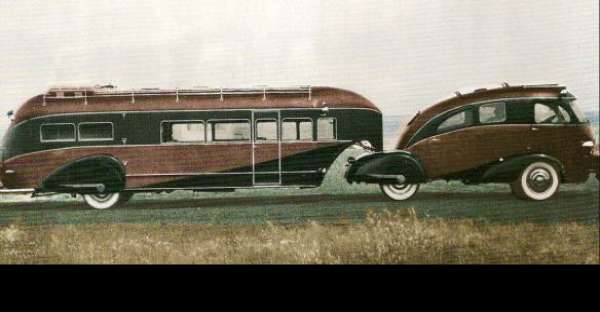
Vintage car lovers, unite! There’s this 1941 For Western Flyer that is up for grabs online! It is an original Western Flyer that was originally designed by none other than Clifford Brooks Stevens. However, this specific model was redesigned, restored, and personalized by Howdy Ledbetter.
If you are a vintage car collector, it’s impossible not to know Brooks Stevens. He lived from 1911 to 1995 and was considered one of the most notable and popular industrial designers of his generation. He was one of the founders of Designers Society of America and formed his own company in 1934 in Milwaukee.
Stevens is known for designing the Zephyr Land Yacht for the famous Bill Plankinton. The latter absolutely loved his tractor and trailer, which he demanded to be beautiful and, at the same time, comfortable. The brilliant industrial designer made the tractor and trailer complete with kitchen facilities, shower and radio equipment.
Eventually, when folks from the Western Printing Company saw Plankinton’s Land Yacht, he ordered Stevens to design a mobile showroom for his business. For this, Stevens designed what is now known as the “Western Clipper.” Imagine this mobile showroom, complete with a parking facility under 20 feet!
Brooks Stevens, since then, has been known for creating different designs of the original clipper. He even made one for Johnson’s Wax which was used during the 1940 New York World Fair. This clipper was complete with huge spaces for bunks. Shower bath and kitchen inside were equipped with running water. It has been called “Housecar” since then.
Among the other vehicles which he designed that proved his brilliance and excellence were the Skytop Hiawatha trains in 1948, the Oscar Mayer ‘Wienermobile.’ All of these are recorded and well-documented in different American museums. If you are a vintage car lover, you can find some posts online selling different Stevens designs. You might want to read first on his other creations through vintage car blogs or by visiting car museums across the globe.
1937 Prototype Plymouth Housecar
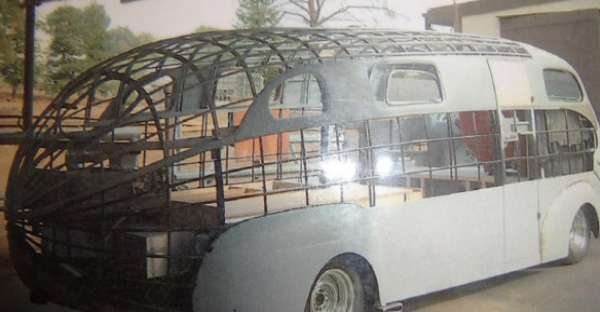
Who would believe that a futuristic motorhome dubbed “the Zeppelin” came out of a prototype house car which was actually designed in 1937?
This car was built by a mechanic at the Chris-Craft boat dealership in San Francisco with high hopes of making a line of its kind. However, due to the scarcity of materials in the WW2, manufacturing ended. Although this car was one of its kind, several researches show that it was registered as a Plymouth house car in 1942.
Rechristened in 2002 as the 1937 Himsl Zeppelin Roadliner, its current owner, a famed customizer Art Himsl did a series of restoration starting in 1999, more than 30 years after he and his friend Ed Green found the car with its aft sticking out from a barn in California’s Napa Valley in 1968. Prior to the vehicles total renovation Himsl and Green used the car which as sort of an office for several years.
The first order of the remodeling process was to refurbish and modernize the drive components. Air-lift bags were added to all four corners. The old engine was replaced with a 350 Chevy engine and most of the old running gear was also replaced. As part of its total make-over, Himsl ripped off the original skin which was a mixture of steel panels and stretch fabric and replaced it with a modern material called Stitz Poly-Fiber. Originally, the car did not have any font fenders and so as part of its renovation, fenders were replaced and the nose was reconstructed.
The original exterior panels were stripped away. Upholsterer/designer Howdy Ledbetter executed the inside refurbishment of the Zeppelin’s upholstery. The original oak cabinetry were still used. Further, Ledbetter made a dozens of light cream vinyl panels which cover all of the interior, and maroon carpets concealed the floors. Himsl applied a spectacular finish in an art Deco theme which completed the car’s renovation.
Dogs we understand, Cats are a mystery

Why are cats so weird? They’re so much unlike us: they clean themselves meticulously, the don’t need training, they can handle alone time for extended periods without issue, seemingly.
Meanwhile, when we walk in the door, they affectionately greet us.
Cats have their own way about them, and we can’t really change them. We have to accept them on those mysterious terms. What are the terms? We can’t really identify them, can we? Why are cats the way they are? We can’t really say. What are cats then?
Can we schedule their lives for them? Arguably, we can’t. They retain that control. They come and go by their own will or whim. They choose their own mates — they are hard to breed, so we don’t have guard cats or hunting cats or herding cats.
When they approach other cats, are they looking to make a friend? Some say no, they approach with suspicion, maybe even fear.
In groups, the bond is usually matri-related females. Male young cats are often driven away. They don’t sustain big groups of friendly relations or inter-group alliances. They compete. They can’t negotiate.
Note: when cats get near each other, one might put its tail up. Scientists guess this might mean the cat is happy to approach. It’s the same gesture kittens use to greet their mothers. The other cat might lift up its tail in response. Maybe the raised tail is the cat smile? If both raise their tails, they might rub (heads, flanks, tails). Is this the cat handshake? They may also groom eachother.
A more familiar can signal, purring, is thought by behavioral ecologists not to be an indication of friendliness or anything. They do it when hungry or mildly anxious, sometimes even angry or distressed, in addition to when they’re being petted. Scientists think it might be a manipulative signal, intending a message like, “Please settle down next to me.”
Likewise licking and rubbing are not understood. Its something adult cats do to each other and to owners. Cats that like each other groom each other, this we know.
Mewing, perhaps surprisingly, is not something cats do in the wild (feral) much. They’re more silent. But cats learn to use mewing by trial and error to achieve desired ends, it seems, so it might make sense that they use it with humans, who treat them the same way their mothers do when they’re kittens.
On the other hand we pretty much understand dogs. They seem more open. They seem biddable. Their attitude seems honest and their rules seem a lot like ours. Call a dog or ask one to do something, and you can know with a fair degree of certainty they what the dog will do.
Cats outnumber dogs as pets by a large margin (as much as 3 to 1) as American pets. Why is this? Partly, they are more convenient (probably around 3 times or so, I’d guess).
Junk foods that are good for you

A lot of people love to eat junk food. They love it, especially when they are watching movies. Discussed below are some of the junk foods that are good for you:
Popcorn: Watching movies wouldn’t be as enjoyable without popcorn. In addition to this, popcorn will also restrain your craving for an evening snack. When you say popcorn, homemade popcorn is the best. This is because it is rich in antioxidants and low in calories.
Dark Chocolate Brownies: There is no doubt, people who love sweet foods will like this news. It is already proven that dark chocolate is good for the heart. It will turn out to be rich in fiber when it will be coupled with nuts or whole wheat brownie.
Dark Chocolate Bars: Eating 100 grams of dark chocolate bars a day can benefit you. It prevents you from possible heart risk. Furthermore, it is also rich in antioxidants. This is the reason why it has multiple benefits. One of which is lowering your blood pressure.
Crackers: Crackers made of whole-wheat are the best choice. It is healthy; thus it is perfect as your evening snack. You don’t have to worry since it has no side effects like those of other junk foods out there.
Processed cheese: It was revealed in a study that processed cheese has more CLA or Conjugated linoleic acid compared to the natural cheese like cheddar. CLA has anti-carcinogenic properties and antioxidant. In that sense, consuming processed cheese would be a good choice.
Dry Stout Beer: According to experts, this thick and creamy beer can be equal to a low dose of aspirin. This means that it can promote proper blood circulation. With this, heart attack and blood clots will be prevented. Compared to aerated drinks and other types of beer, this one is much better.
Red Wine: It has antioxidants, which is good in fighting off diseases such as heart problems and cancer. Life-threatening inflammation will decrease with the help of one of the ingredients in red wine called Resveratrol. Grape juice or red grapes are effective for those who are non-drinkers.
Despite being labelled as “junk foods”, you can enjoy the health benefits that these foods can offer. So, start eating these foods today.
We learned about this neat piece of information here: healthtipseveryday
The Best Exercises to Sooth Sciatic Nerve Pain
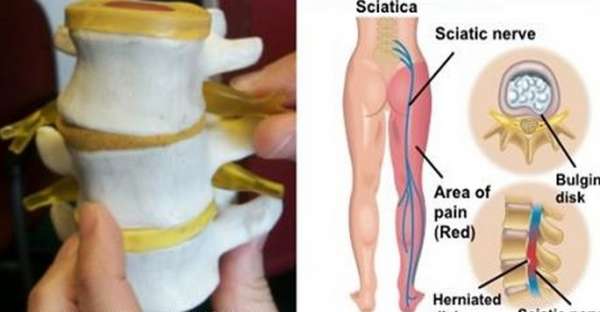
The sciatic nerve is the largest nerve in our bodies. It stems from the nerve roots in the lumbar spinal cord in the lower back and ranges through the buttock part to direct nerve endings down the lower extremity.
Sciatica is the pain or aching that is felt in the lower extremity which creates annoyance of the sciatic nerve. The discomfort of sciatica is normally felt in the lumbar area. The thigh down to the knee is also affected. This pain is termed as sciatic nerve pain.
In order to combat the pain, effective exercises must be done to sooth it. Sciatica nerve pain exercises reduce the sciatic pain and also provide taming to prevent impending pain recurrences. For this situation, it is recommended to consult a certified physical therapist, a qualified physiatrist, a proficient athletic trainer, an experienced chiropractor or other spine specialist who are experienced in treating leg pain. These experts will prescribe particular exercises and demonstrate the patient on how to do them. Here are two common exercises to sooth the nerve pain.
The Pigeon Stretch
This is a common yoga stance which takes in a bird’s pose. The first step is to kneel on the floor. Then stretch your left leg and try to reach your back and your toes must be pointing down. Then place your body weight slowly starting from your arms to your legs, then gradually lean at your back. Try to exhale while doing this. And to avoid straining your back, do not arch your upper body at a right angle.
Figure 4
This is a simple stretch that makes you lie on a horizontal flat surface.
Lie on your back then gently bring your right leg up to a right angle and hold it with both your right and left hands behind the thigh, then lock with your fingers. After this pose, slowly take your left leg and place your ankle against your knee. By doing this, the swollen tiny piriformis are stretched and also presses against the sciatic nerve that is triggering pain. You can repeat this stretch and also do it with your left leg.
Caution
Try to do the exercises above slowly to avoid further strain. Those who are demonstrating them on TV or any other videos have been practicing it for a long period of time that they are so flexible to bend and fold their body parts. Hence, gently carry out the exercises and if pain occurs, you must stop.
We learned about this neat piece of information here: Health Line
How Many Trees Were Cut Down To Make All The Books You Own?

Some people read a lot. And comparing books to eReaders, there are some pretty strong health reasons to go with books over readers, but the environmental factor is also there. For energy, an eReader can be produced for around the cost of 100 books (eReaders take 100 KW hours and 65 pounds of carbon dioxide, books take 2 KW hours and 16 pounds of carbon dioxide [other sources say the carbon footprint of a book is 8.85 pounds of carbon dioxide]) For materials, eReaders take 33 pounds, including conflict materials, and 70 gallons of water and a lot of waste (dumped into landfills), while books (from recycled paper) take 2/3 pound of minerals. There is also a transportation cost which would be heavy on the book side.
So some books are printed from recycled paper (since we have a lot of that) (5-10 percent of books in the US). And virgin forest harvesting is responsible for the majority of the book industry’s 12.4 million metric ton footprint (2005). The use of recycled paper is increasing, too, as publishers sign on for programs.
But lets say worst case, all your books are coming from trees.
A tree that is around 1 foot diameter and 60 feet tall. Ignore taper for the measurement. 81,430 cubic inches of wood. A tree like that of pine would be around 1,600 pounds.
Now turn the tree into pulp to make paper. Half the tree is no good for making paper (knots, lignin, etc). So 850 pounds of paper. A tree could then produce around 80,500 sheets of computer paper. A book’s pages are half that size, or 161,000 sheets. Your books might be around 400 pages (200 sheets). So a tree would be around 805 books.
Now we ignored taper, so lets say 700 books, or even 650. Or we could imagine a taller tree that we took 60 feet off of.
I have probably a few thousand books, but I have relatively lot of books. So I have 2 or 3 trees worth of books. But then, almost all of my books I got second hand, so those books would be cut in half or more for paper use (if we figured everyone else into our math). A lot of them came from libraries, so dozens or hundreds of people used them before I got them. When I no longer have them, someone else can have them. Books last hundreds of years. I have some that are a hundred years old. So that’s cutting down the tree cost a lot. A tree could probably grow back by then, too.
But even if I used 2-3 trees for my books, I would be fine with that. Would you? Answer on our Facebook post.
A lot of people buy books that they have only interest in reading once (like romance novels, for example), so the cost may be higher, but these books get turned in to book stores and second hand stores and bought and are returned again and again, so the cost may actually be lower. Also, the value of these books to the economy is interesting, because they bring in money (several times) to charities like Salvation Army and small businesses like the always-troubled second-hand book store, with no additional cost to make or upkeep.
Research Shows: Powerful Plant that Kills Cancer Cells and Fights Diabetes

Cancer and diabetes are two major diseases that medical professionals are looking for effective medicines to combat — due to their harmful effect on their victims.
Thanks to Mother Earth because she is providing us natural ways to fight these two detrimental diseases.
It’s a bitter fruit but it provides sweet success for almost all diseases.
According to many researchers, when they are examining cancers, among the most harmful and common diseases of 21th century, they stand firm that the antidote against this disease lies in regular foods that just carry out malignant cells and crashes their reverse breakdown system. It is a recognized fact that cancer cells require oxygen and duplicate in wild manner.
Certain substances that are great and used for tumor cells elimination are green tea or dark tea, grape seed juice packed with resveratrol, baking soda without the aluminium and even shiitake mushrooms. Recently, researchers discovered bitter melon which is prominent in Okinawa zone.
The juice carried by this organic fruit is blended in 5% in water and proven to carry out pancreatic malignancy cells.
It is recognized that this powerful melon extracts sets off tumor cell lines by around ninety percent. The juice was also applied on rats, and it is confirmed that the tumor size is positively reduced. This successful experiment is also applicable to people. It is assured that there are no side effects or reactions.
It is advised that 6 grams of this amazing powder is taken by people that has an average height and weight. It is also recommended this powerful and miraculous melon juice is good for people with diabetes. It is confirmed that this bitter melon juice is effective in decreasing metabolic concerns.
With regards with these diseases, it would be great to make use of several methods along with this bitter melon juice as the collaboration of quite a few medicines is the top remedy that will bring good results.
We learned about this neat piece of information here: Daily Nutrition News
Ginger Tea Recipe: Home Remedy For Cold, Cough And Flu
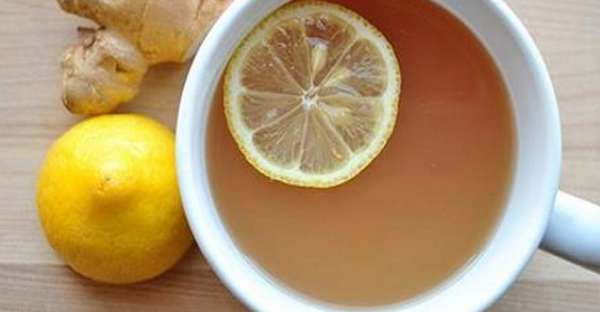
Over the years, ginger has become very popular throughout the world as a medicinal plant. This is because it is rich in magnesium, vitamin C, and other minerals. You can make tea out of ginger. Drinking ginger tea comes with multiple benefits. In fact, it can be a great help for the treatment of various conditions. Among its benefits include the following:
Stomach Soothing- Ginger tea is perfect when you feel uncomfortable with your stomach. It can be a great help in relieving morning sickness and motion sickness. It is also effective for nausea.
Sore Muscle Relief- According to one study, ginger is effective in relieving the pain or soreness after you exercise. This is because ginger has anti-inflammatory properties. In the study, people were allowed to undergo weight-training exercise. After which they were given raw ginger, heated ginger, or placebo. After three days of observation, it was revealed that less pain is felt by those who opt for raw or heated ginger. In that sense, drinking ginger tea can also be of great help to ease muscle pain after a tough exercise.
Less painful periods- Ginger tea might be the solution for those women who suffer from heavy menstrual cramps. A study was conducted with several students with dysmenorrhea in 2012. In this study, they were given placebo and ginger tea to lessen the pain they felt. It was found out that the group who consume ginger tea felt less pain.
These three above mentioned things are just some of the popular benefits of ginger tea. However, ginger tea can also benefit to people with cold, flu, or cough. In fact, you can make your own ginger tea at home. You will need the following ingredients:
One inch piece ginger
10 tulsi leaves
½ tsp. tea powder
Sugar
The first thing you need to do is crush the tulsi leaves and the ginger in large pieces. Prepare a pan and boil water. Add the tea powder in the pan. When it is already boiling, switch off the stove and add the tulsi leaves and the ginger. Pour it into the cup and add sugar if necessary.
So there you go, if you are experiencing flu, cough and cold, just make your own ginger tea, and surely you will be healed.